

OGDS vs. Colonoscopy:
Which Screening Do You Need for Your Digestive Health?

Table of Contents

OGDS vs.
Colonoscopy at a Glance

Both Oesophago-Gastro-Duodenoscopy (OGDS, also known as Upper Endoscopy or Gastroscopy) and Colonoscopy are essential, minimally invasive procedures used by gastroenterologists to investigate and diagnose issues within the digestive system.

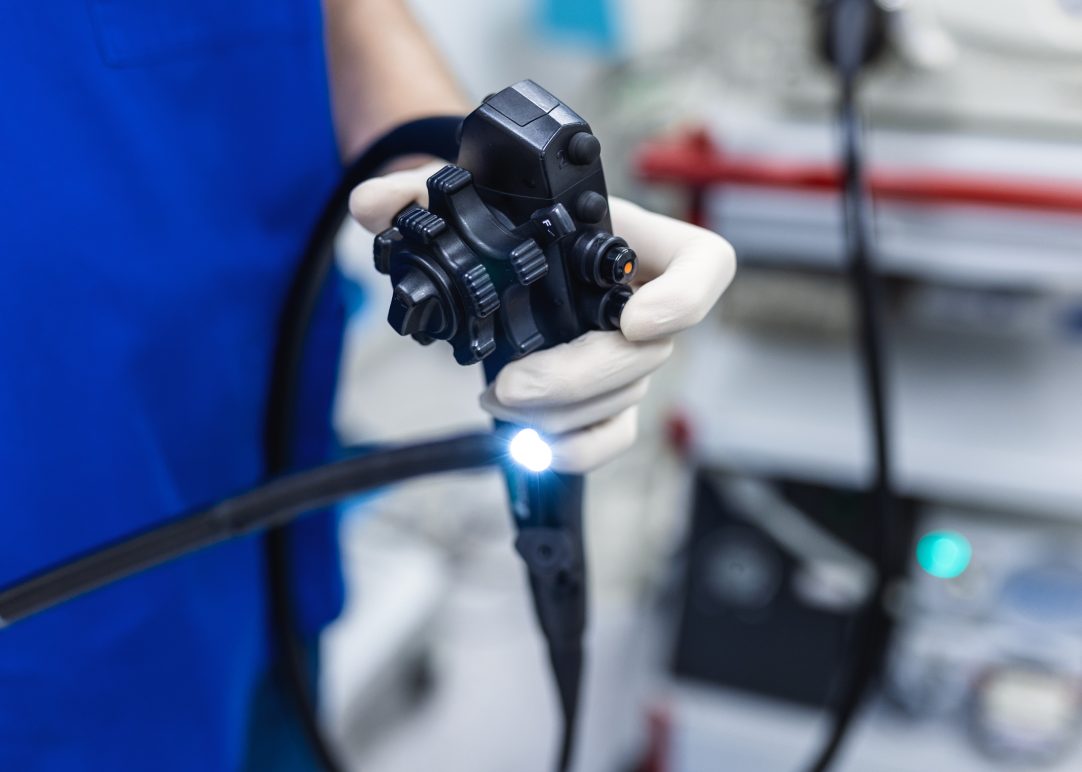
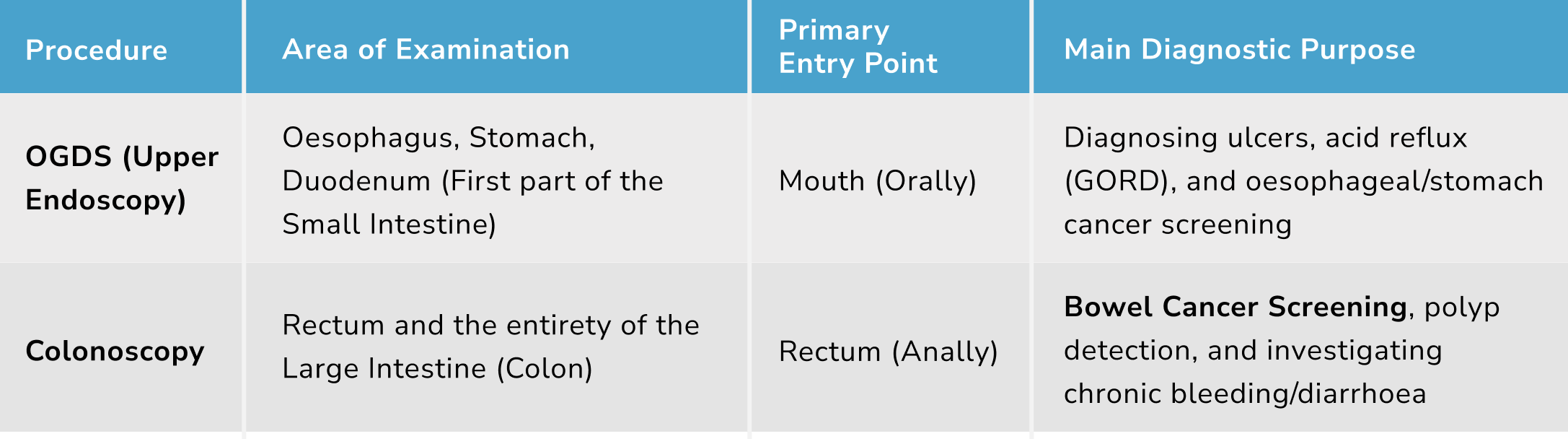
They both use a long, thin, flexible tube called an endoscope with a light and camera to provide a visual inspection. The primary difference lies in the area of the digestive tract examined:

Understanding OGDS (Upper Endoscopy/Gastroscopy)

The OGDS procedure is used to examine, diagnose, and sometimes treat issues in your upper digestive system. The endoscope is inserted through the mouth and guided down into the duodenum.

What is OGDS Used to Diagnose?

An OGDS is usually recommended if you experience symptoms affecting the upper digestive tract. Conditions commonly diagnosed or managed include:

Gastro-Oesophageal Reflux Disease (GORD)

Persistent heartburn and regurgitation.
Stomach and Duodenal Ulcers
(Peptic Ulcers).

Difficulty Swallowing (Dysphagia).

Infections

Such as Helicobacter pylori (H. pylori).

Cancers

Screening for cancers affecting the oesophagus and stomach.

What to Expect: The OGDS Procedure

An OGDS typically takes less than 15 to 30 minutes to complete.

Preparation

You must abstain from food and drink for approximately eight hours prior to the procedure. No bowel preparation is required.

Comfort

The procedure is performed under sedation or with a local anaesthetic applied to the throat to ensure comfort.

For detailed information on the procedure, cost, and to book your appointment, please view our dedicated Gastroscopy (OGDS) package page.

Understanding Colonoscopy (Lower Endoscopy)

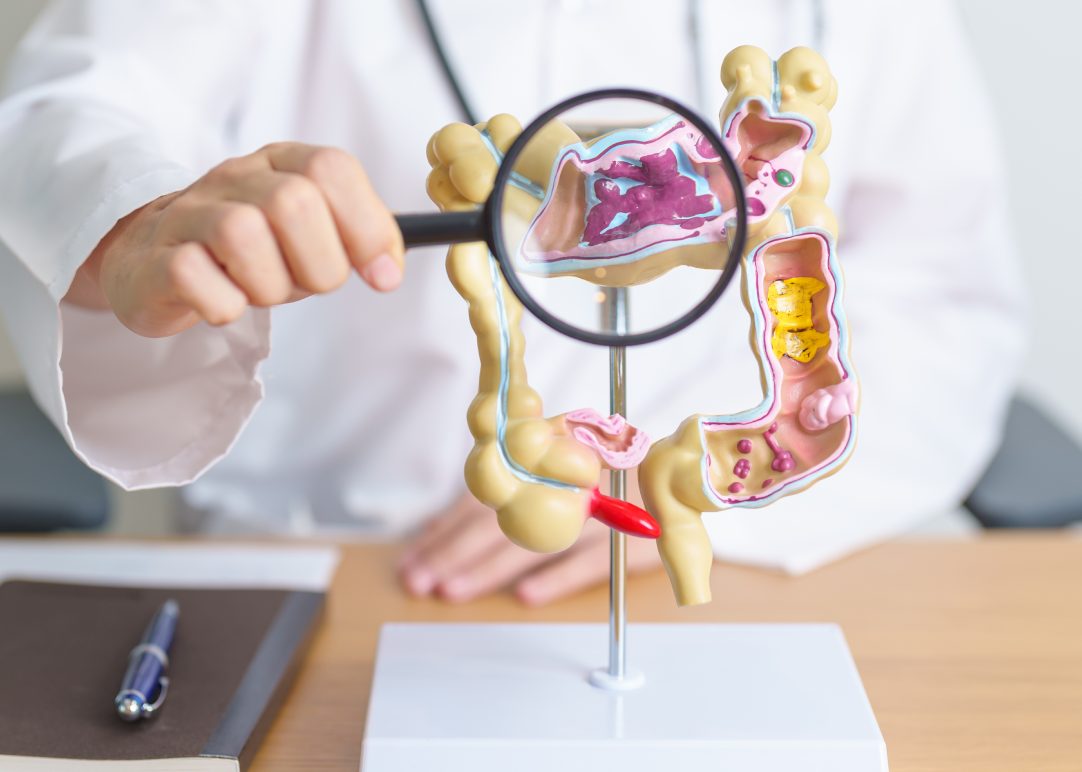
Colonoscopy is considered the gold standard for bowel cancer screening because it examines the entire large bowel.

The Critical Role in Cancer Prevention

Colonoscopy allows the consultant to:

Detect Cancer

Provide a full and highly accurate inspection of the colon.

Remove Polyps

Detect and immediately remove polyps (small growths) during the same procedure, preventing them from developing into cancer over time.

It is also vital for investigating:


Chronic Bleeding or blood in the stool.

Inflammatory Bowel Disease (IBD):

Such as Ulcerative Colitis and Crohn’s disease.
Persistent Symptoms

Chronic diarrhoea, unexplained weight loss, or changes in bowel habits.
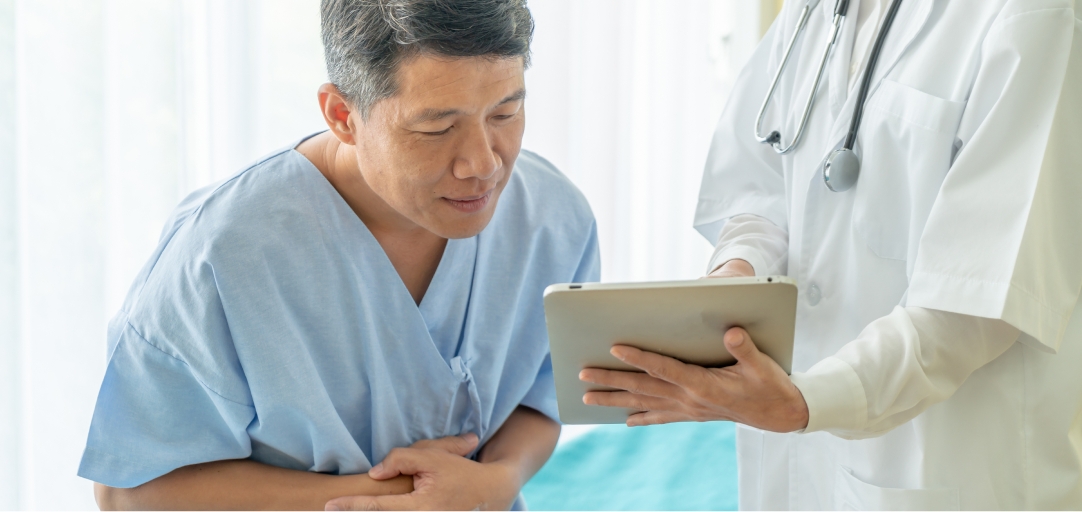
Prevention is Key: The Bowel Prep Guide

Unlike an OGDS, a colonoscopy requires thorough preparation to cleanse the colon, known as “bowel prep”. This typically involves following a clear liquid diet and taking laxatives in the 24 hours leading up to the procedure to ensure a clear view of the colon lining.

Combined Screening: The Value of a "Scope Package"

When Doctors Recommend Both Procedures

In some instances, symptoms may suggest problems in both the upper and lower digestive tracts, or a patient may require a routine colon cancer screen alongside an investigation into recurring acid reflux.

Your physician may recommend undergoing an OGDS and a Colonoscopy simultaneously during one visit under the same sedation. This offers efficiency, reduces the need for two separate appointments, and provides a comprehensive view of your entire digestive health.

Maximise your peace of mind and convenience with our combined procedure. You can view the details and cost for our Gastroscopy (OGDS) + Colonoscopy package here.

Gastrointestinal health is a cornerstone of overall well-being. Learn more about the full body health foundation provided by our Elite Care Health Screening Package.

Frequently Asked Questions

How much does a colonoscopy typically cost in Malaysia?

The cost of a colonoscopy in Malaysia varies depending on the medical centre and whether it is performed with or without polyp removal. Learn more about the colonoscopy package.

How long is the recovery time after a gastrointestinal procedure?

Both procedures are typically conducted on an outpatient basis. Due to the sedation, you will need someone to accompany you home. Most patients are back to normal activities the day after the procedure.

Is an OGDS procedure painful?

No. While inserting the endoscope may cause discomfort, the procedure is performed with sedation or local anaesthetic to ensure you are relaxed and comfortable throughout the test.

For a full range of screening options, review our comprehensive health screening packages.

0