
Menopause is something every woman will eventually experience, yet it often comes with many questions and uncertainties. What’s happening in the body? What symptoms are normal? And most importantly—what can you do to stay healthy during this phase? Let’s walk through it together.
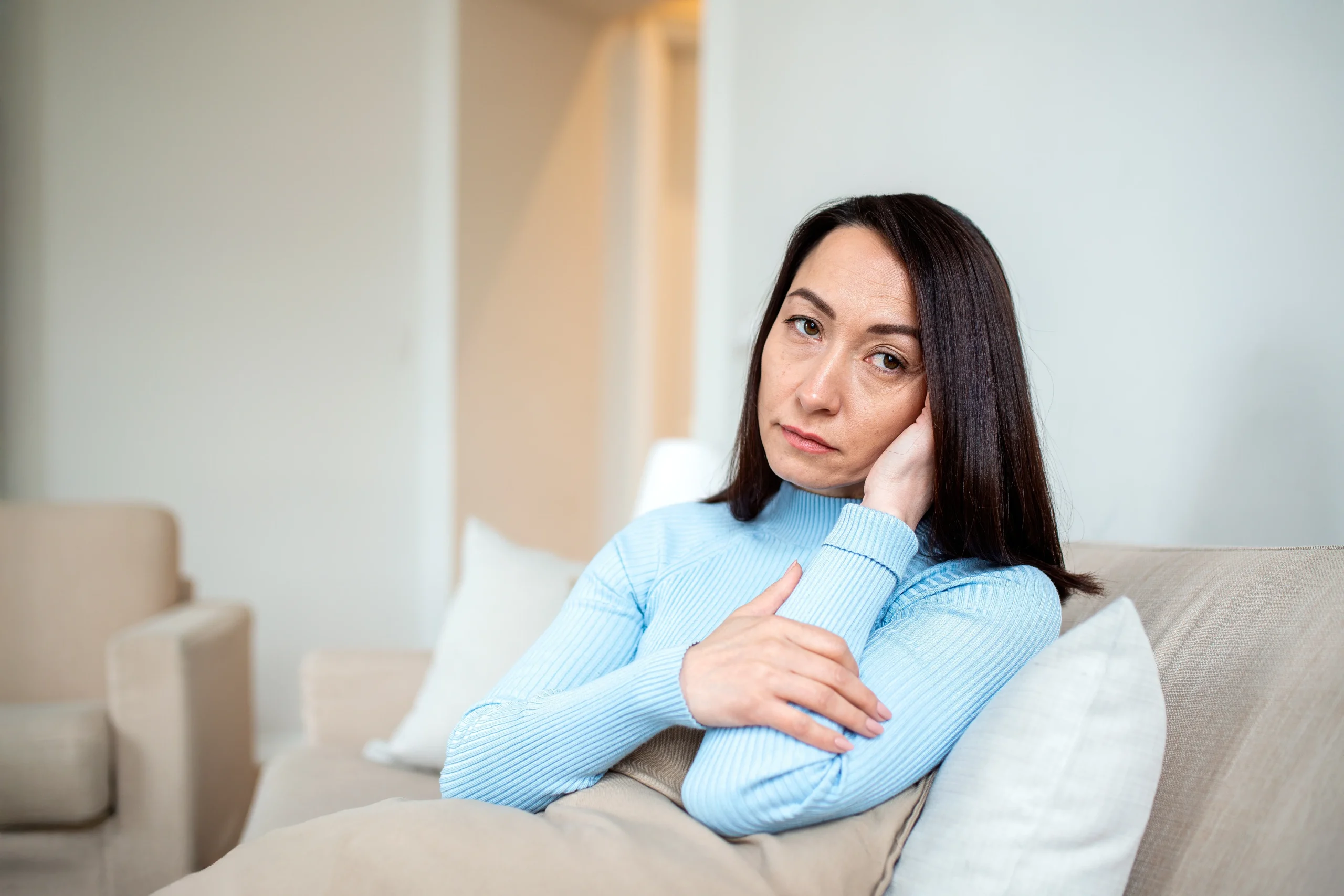
Menopause is a natural stage in a woman’s life that marks the end of her reproductive years. It is diagnosed after 12 consecutive months without a menstrual period, when the ovaries stop releasing eggs and levels of estrogen and progesterone decline. This usually occurs between the ages of 45–55, although it can happen earlier or be induced by medical or surgical treatments affecting ovarian function.
Before menopause, women experience a transition phase called perimenopause, which can last several years, during which menstrual cycles become irregular and symptoms may appear, affecting physical, emotional, and social well-being. Hormonal changes during this period can also impact metabolism, bone health, heart health, and mood.
A Menopause health screening package can help assess overall health status, identify early risks, and support timely management during this transition.
Menopause is a highly individual experience, with symptoms and their severity varying from person to person. Fluctuating estrogen levels are the main driver of these changes—some women may notice only mild symptoms, while others may experience more disruptive effects.
Common symptoms include
Hot flashes
Night sweats
Irregular periods
Sleep disturbances
Mood changes
Vaginal dryness
Reduced libido
Fatigue, brain fog
Weight gain
Because these symptoms can overlap with other health conditions, many women benefit from a Female hormone imbalance test to assess overall health status and ensure appropriate management.
Menopause itself does not require treatment, but symptoms and long-term health risks may need to be managed.
01
Hormone Replacement Therapy (HRT)
This is the most effective treatment for:
It is typically prescribed at the lowest effective dose for a limited duration.
Local estrogen therapy
Used for vaginal symptoms like dryness, with minimal effects on the rest of the body.
Non-hormonal options
For women who cannot take hormones:
Other approaches
While supplements can support health during menopause, they are not one-size-fits-all.
Evidence-based supplements for menopause symptoms include:
In addition, a balanced diet for menopause weight gain—focusing on adequate protein, high-fibre foods, and reduced intake of sugar and unhealthy fats—can help manage weight and support metabolic health.


As individual needs vary, all supplements and dietary strategies should be personalised. A woman’s wellness medical check-up is recommended to assess overall health status and guide appropriate nutrition and supplement needs during menopause.
Reference
Hormonal changes can affect body composition and metabolism.
Hot flushes are commonly associated with menopause and hormonal changes.
Bone density naturally declines with age, particularly after menopause
Hormonal changes can affect metabolism, bone density, cardiovascular health, sleep quality, and body composition
For a full range of screening options, review our woman comprehensive health screening packages.