
Protein is more than just a “gym nutrient” – it is an essential building block for your body. It helps keep your muscles, skin, and organs strong, and supports many important functions like healing and immunity.

Everyone needs protein every day.
It is especially important for:
Today, more people are paying attention to body composition (muscle vs fat), not just weight. Maintaining muscle is important for long-term health.
Protein helps your body to:
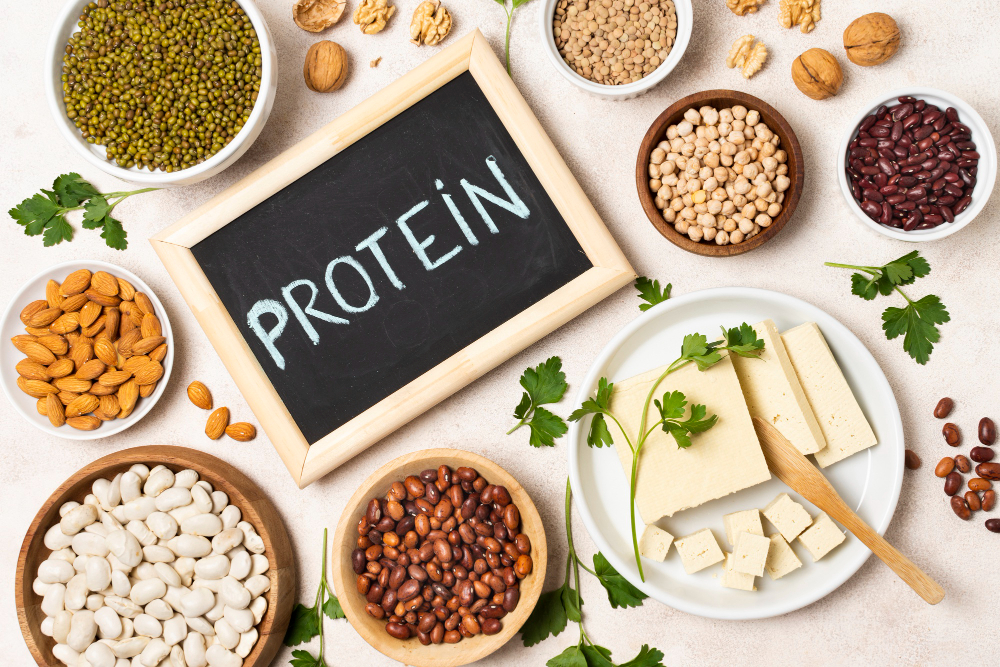
You can get protein from both animal and plant sources.
Contain all essential amino acids.
Chicken
Beef
Fish (e.g. ikan kembung)
Eggs
Milk, yogurt, cheese
May lack one or more essential amino acids, but can be combined.
Tofu, tempeh, soy milk
Lentils, chickpeas, dhal
Nuts and seeds
Whole grains (e.g. oats, brown rice)
Tip: Combine plant foods like rice + beans or chapati + dhal to improve protein quality.
*Essential amino acids are the “building blocks” of protein that your body cannot make on its own and must be obtained from food.
Most adults need about 0.8-1.0 g per kg body weight per day
Example:
If you weigh 60 kg → you need about 48–60 g protein/day
Some people may need more:
| Protein Needs | |
|---|---|
|
Active adults |
1.0-1.2 g/kg (or more) |
|
Elderly |
1.0-1.2 g/kg (or more) |
|
Unwell/recovery |
1.2-1.5 g/kg (or more) |
As we age, we naturally lose muscle. This can make us feel weaker and increase the risk of falls. That is why the elderly need more protein to help maintain muscle and stay independent.

Protein is important - but more is not always better.
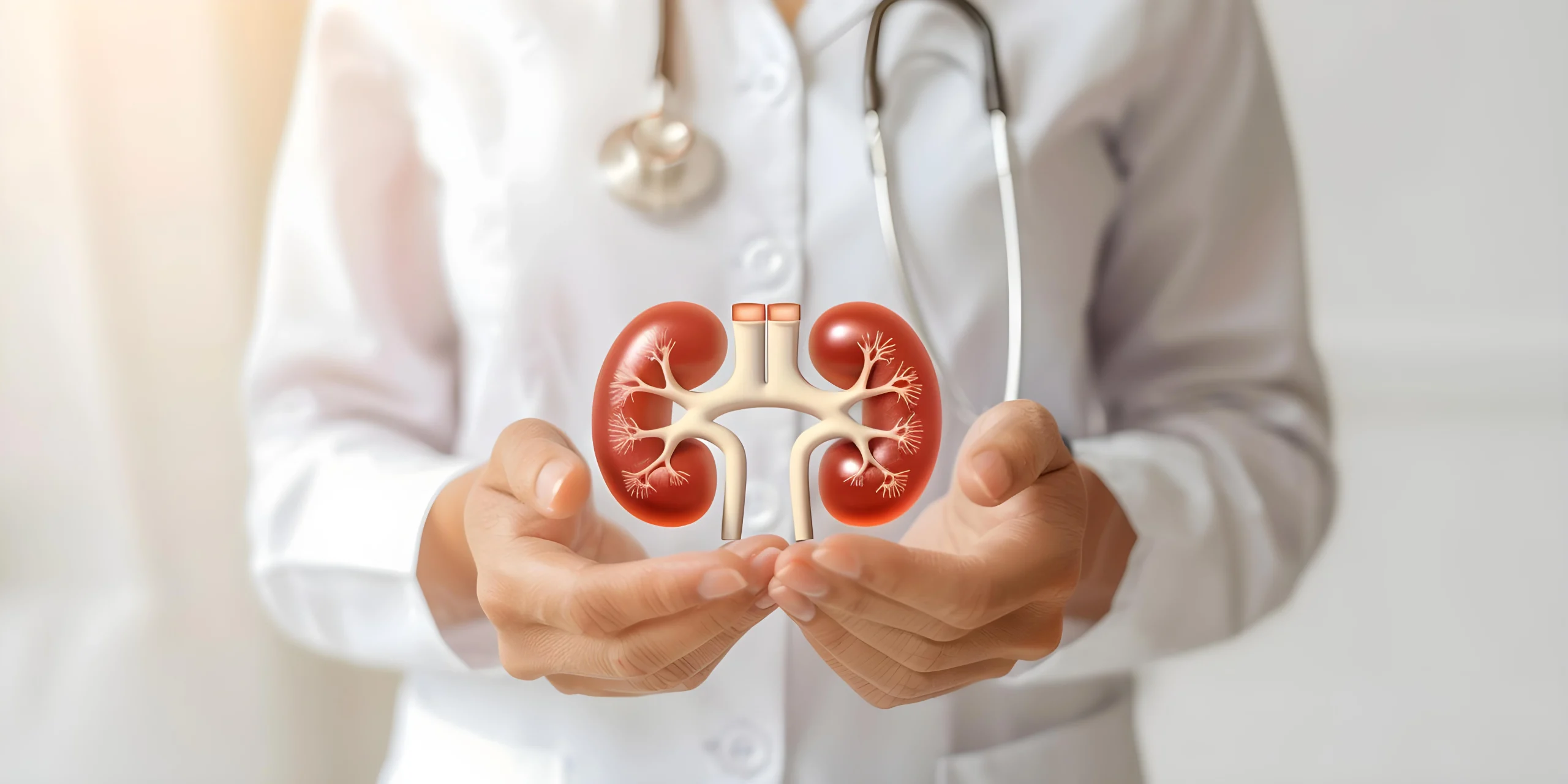
If unsure, consider a dietitian consultation near you for personalised advice.

Key Takeaways
For personalised advice on your protein requirements, please consult a dietitian.
Reference:
Protein needs vary based on age, body size, activity level and health goals. Consult a dietitian for individualised advice.
Yes, regular liver and kidney function tests are highly recommended for individuals consuming high-protein diets or fitness supplements to ensure their metabolic organs are processing and filtering nutrients cleanly without stress or elevated enzyme levels.
Age-related muscle loss can occur gradually and may affect strength, mobility, metabolism, and long-term health.
For a full range of screening options, review our woman comprehensive health screening packages.